
Healthcare Equipment Financing vs. a Practice Line of Credit: Funding Expansion Through the Reimbursement Gap
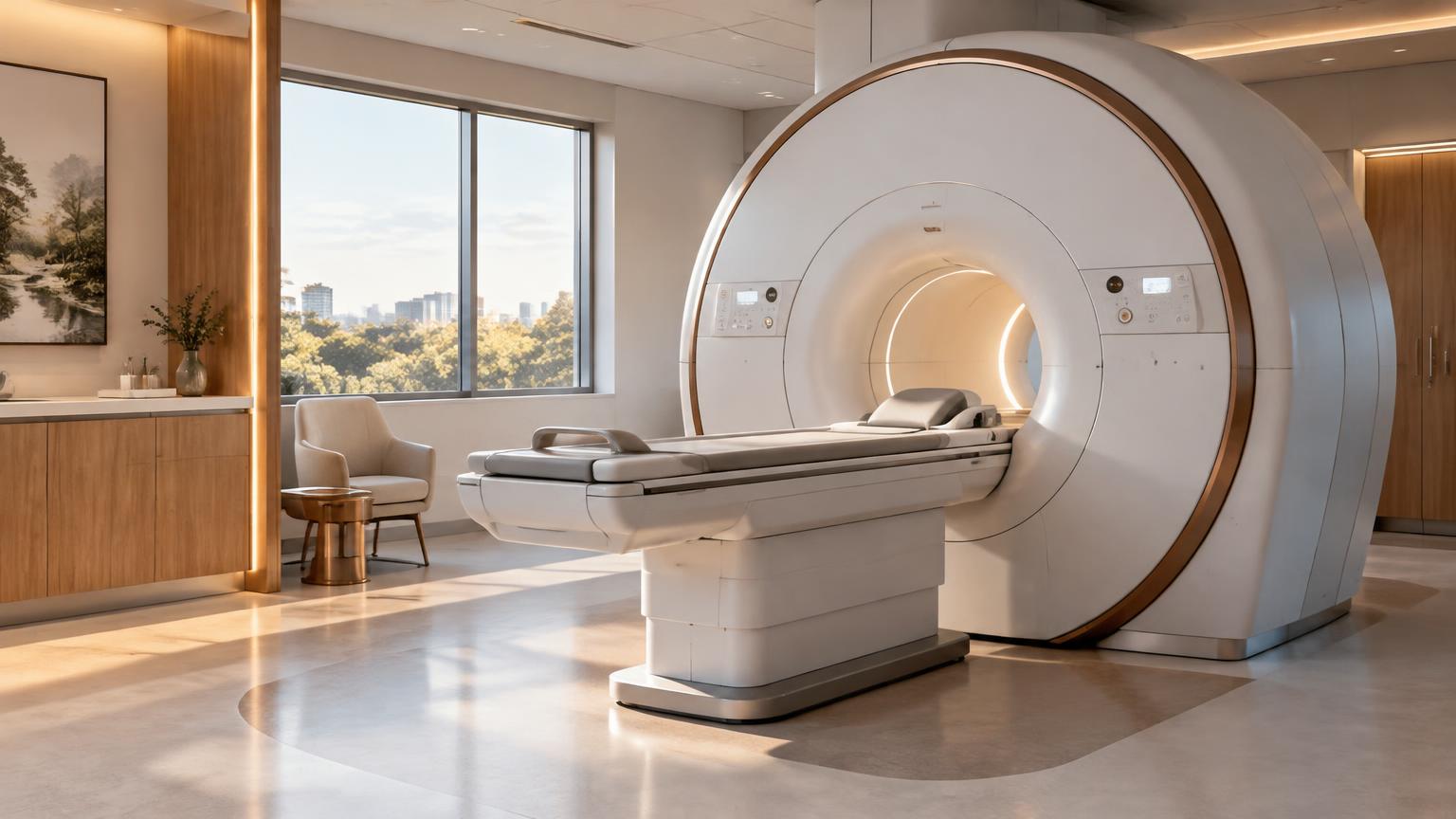
A profitable medical practice can still feel short on cash during expansion. A new imaging system, surgical platform, or dental chair suite costs hundreds of thousands of dollars upfront, while commercial payers and government programs often reimburse 45 to 75 days after a claim is filed. Add a second location's staffing and supplies, and the operating account absorbs several hits at once.
For most established practices the answer is two facilities, each with its own job: healthcare equipment financing for the asset, and a medical practice line of credit for the reimbursement cycle. Tzortzis Capital places both with banks and private credit funds for practices, ambulatory surgery centers, imaging centers, and specialty groups. This is how they fit together.
The reimbursement gap: why growing practices run tight
Care is delivered first and paid for later. Staff, supplies, and rent are due on a fixed schedule, while claims move through coding, submission, adjudication, and occasional denials. A practice collecting $800,000 a month with a 60-day average collection period carries roughly $1.6 million in receivables at any given time.
That gap is recurring but self-liquidating: each claim that pays reduces the balance it created. Financing it with long-term debt means paying interest on cash that sits idle once collections catch up.
Equipment loans: matched to the asset
An equipment term loan finances the machine itself. For established practices, typical structures run $250,000 to $5 million or more, over three to seven years, often with 10–20% down. The loan is secured by the equipment, and the practice owns it from day one — we place loans, not leases.
Common financed assets include:
- MRI, CT, ultrasound, and digital X-ray systems
- Surgical and robotic-assisted platforms
- Dental imaging, chairs, and milling units
- Lab analyzers and specialty diagnostic equipment
Lenders evaluate the equipment's resale value and the practice's ability to cover the payment from existing cash flow plus the revenue the equipment is expected to support. Established brands with deep secondary markets generally finance on better terms than highly specialized devices.
The practice line of credit: matched to the billing cycle
A revolving line is drawn when payroll and suppliers are due and repaid as reimbursements arrive. Interest accrues only on the balance used. For established practices, lines commonly range from $250,000 to $5 million, sized off eligible receivables and verified collection history.
What lenders typically review
- Two to three years of financial statements and tax returns
- Year-to-date interim financials
- An AR aging report by payer class
- Payer mix and historical collection rates
- Provider licensing and ownership structure
Payer mix matters. A practice with diversified commercial payers and clean collection history generally supports a larger line than one heavily concentrated in a single payer.
Decision framework
| Need | Equipment term loan | Practice line of credit |
|---|
| --- | --- | --- |
|---|
| Imaging, surgical, or dental equipment | Yes | No |
|---|
| Payroll and supplies ahead of reimbursement | No | Yes |
|---|
| New-location buildout supplies and staffing ramp | No | Yes, within limits |
|---|
| Repayment | Fixed, 3–7 years | Revolving, from collections |
|---|
| Collateral | The equipment financed | Receivables and business assets |
|---|
A simple rule: if the cash comes back within one reimbursement cycle, use the line. If the asset produces revenue for years, use term debt.
A worked example
Consider an illustrative orthopedic group with $12M in annual collections adding a $1.2M imaging suite. With 15% down ($180,000), roughly $1.02M is financed over five years. The new modality adds about $300,000 of receivables during its first quarter of operation — carried on a revolving line instead of operating cash. The practice adds capacity without draining reserves or delaying payroll.
Readiness checklist
- At least two to three years of operating history
- Stable or growing collections with documented payer mix
- A clean AR aging with limited aged balances
- Vendor quote for equipment with delivery and installation timeline
- Ownership and licensing documents in order
Frequently asked questions
Can a medical practice get both an equipment loan and a line of credit?
Yes. Many established practices carry both. The equipment loan is secured by the asset; the line is sized to receivables and collection history, so each facility does a different job.
How large a line of credit can a medical practice qualify for?
It depends on collections, payer mix, and financial history. Established practices commonly see lines between $250,000 and $5 million.
Is Tzortzis Capital the lender?
No. Tzortzis Capital is a capital placement partner. We evaluate the practice, prepare the credit package, and place the request with banks and private credit funds. Lenders set the final terms.
If your practice is planning an equipment purchase or expansion, see our equipment financing and commercial lines of credit pages, or start a conversation to structure both together.

Tzortzis Capital