Manufacturing Capex in Q4: Structuring Equipment Loans and Working Capital Before Year-End
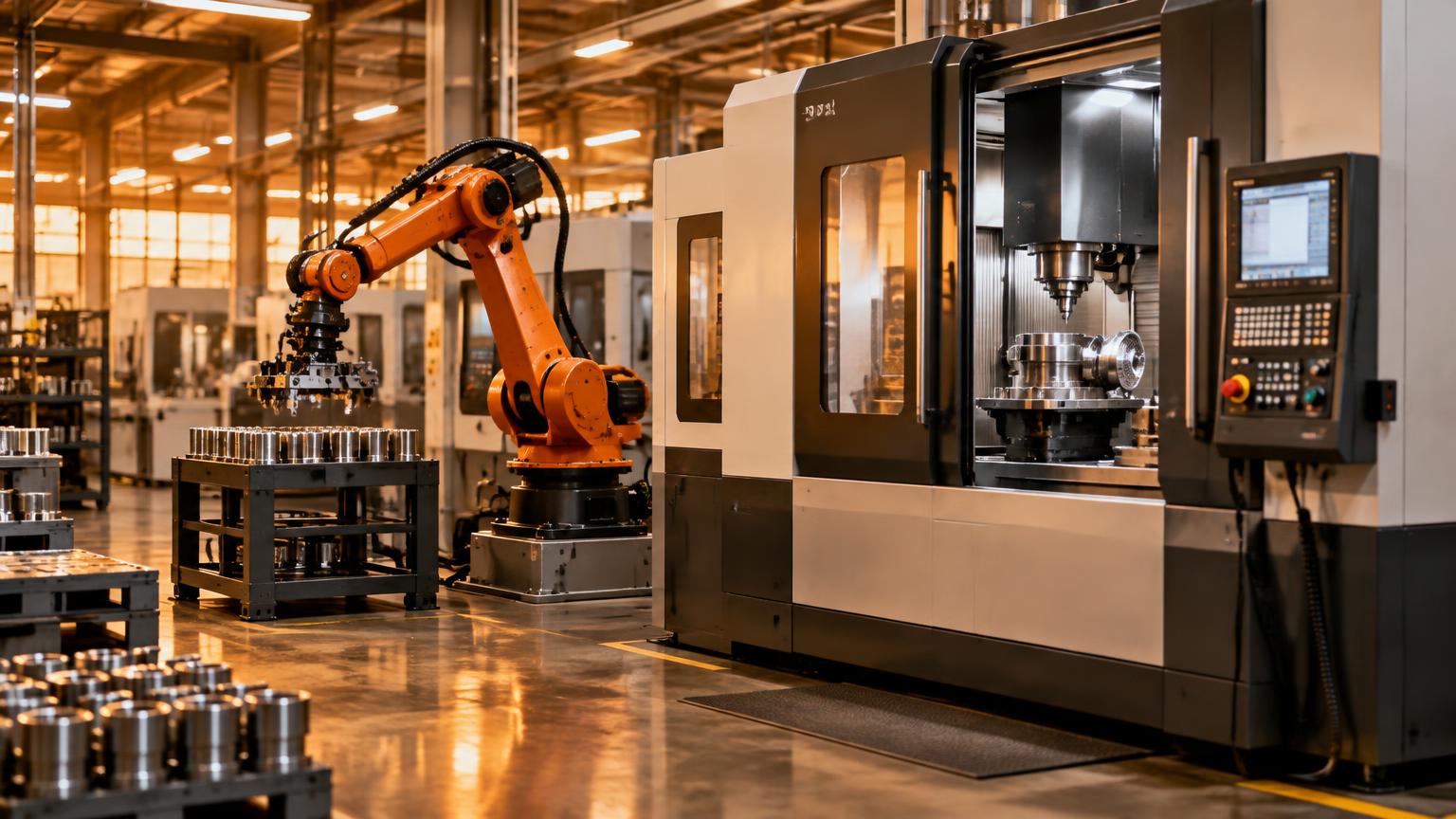
Every fourth quarter, plant managers and CFOs at middle-market manufacturers face the same calendar problem. A new CNC machining center, press, or packaging line is approved in the budget, the vendor quotes a 6 to 10 week lead time, and the company wants the asset delivered and in service before December 31. At the same time, the new capacity needs raw material, tooling, and labor before it bills a single invoice.
Paying cash for both drains the operating account at the worst time of year. Drawing the existing bank revolver for a machine that will run for ten years ties up availability meant for receivables and inventory. The cleaner approach for most established plants is two facilities with two jobs. Tzortzis Capital places both with banks and private credit funds for manufacturers with roughly $5M or more in revenue.
Why timing matters more than rate in Q4
Manufacturing equipment financing decisions in October and November are usually driven by delivery dates, not interest rates. If the company intends to claim Section 179 or bonus depreciation for 2026, the equipment generally has to be placed in service — not just ordered — by year-end. Confirm eligibility and limits with your tax advisor; the financing structure only works if the asset is owned by the company, which is why we place equipment loans rather than leases.
Working backward from December 31, a realistic schedule looks like this:
- Weeks 1–2: Credit package assembled — financials, equipment quote, and use-of-funds summary
- Weeks 2–4: Lender review, term sheet, and approval
- Weeks 4–8: Documentation, vendor deposit, and delivery
- Final weeks: Installation, commissioning, and placed-in-service date
A company that starts the financing process in mid-November is often already too late for complex machinery. Starting in October leaves room for a vendor delay.
The equipment loan: matched to the asset
An equipment term loan finances the machine itself. Typical structures for established manufacturers run $250,000 to $5 million or more, with terms of three to seven years and a down payment commonly in the 10–20% range. The loan is secured by the equipment, and repayment is sized to the cash flow the asset produces.
Lenders price risk off two things: the machine's resale market and the company's ability to cover the payment. Standard CNC equipment, injection molding machines, and packaging lines from established manufacturers generally finance on better terms than highly customized or single-purpose equipment.
What lenders review for equipment
- Three years of CPA-prepared financial statements and tax returns
- Current year-to-date interim financials
- The vendor quote with model, price, and delivery date
- A short explanation of the capacity or margin the machine adds
- A debt schedule showing existing obligations
Working capital: funding the ramp
New capacity consumes cash before it produces revenue. Raw material has to be bought, operators trained, and first production runs completed before invoices go out — and then customers pay in 45 to 60 days. A revolving working capital line sized to billed receivables and inventory covers that ramp without touching the equipment loan.
For established manufacturers, revolving lines commonly run $500,000 to $10 million or more. Lenders typically advance a percentage of eligible receivables and a lower percentage of raw material and finished goods inventory. The line is drawn as the ramp consumes cash and repaid as collections arrive.
Decision framework
| Need | Equipment term loan | Working capital line |
|---|
| --- | --- | --- |
|---|
| CNC, presses, robotics, packaging lines | Yes | No |
|---|
| Raw material and tooling for new orders | No | Yes |
|---|
| Payroll during production ramp | No | Yes |
|---|
| Repayment | Fixed, 3–7 years | Revolving, from collections |
|---|
| Collateral | The equipment financed | Billed receivables and inventory |
|---|
The rule is the same one we apply across industries: if the cash returns within one operating cycle, use the line. If the asset produces revenue for years, use term debt.
A worked example
Consider an illustrative $18M precision machining company that approves a $900,000 five-axis machining center in October. With a 15% down payment ($135,000), the remaining $765,000 is financed over five years. Separately, the company expects the new capacity to add about $250,000 of receivables and inventory during the first quarter of production — covered by a revolving line rather than cash. The operating account keeps its cushion, and the machine can be placed in service before year-end if delivery holds.
Readiness checklist
- Revenue of roughly $5M or more and 2–3+ years of operating history
- Profitable or near-profitable trailing financials
- A firm vendor quote with delivery date
- Current AR aging and inventory report
- Contact for your CPA to confirm depreciation treatment
Frequently asked questions
Can we still finance equipment for a 2026 tax deduction in November?
Sometimes, if the equipment is in stock or delivers quickly. Complex machinery with long lead times often cannot be placed in service by December 31 if financing starts late. Your tax advisor determines eligibility.
Should we use our bank revolver to buy equipment?
Usually not. A revolver is sized for receivables and inventory. Using it for long-life equipment reduces the availability you need for operations.
Is Tzortzis Capital the lender?
No. Tzortzis Capital is a capital placement partner. We evaluate the request, prepare the credit package, and place it with banks and private credit funds that fit the profile. Lenders set final terms.
If a capex purchase is on your Q4 schedule, see our equipment financing and commercial lines of credit pages, or start a conversation to structure both facilities together.

Tzortzis Capital