2025 Section 179, R&D Credits, and the CapEx Boom

Business owners are heading into the final stretch of 2025 with a mixed economic backdrop. On one hand, tariffs and rising costs have created uncertainty. On the other, interest rates are easing, creating new momentum for growth. The real opportunity lies in how the tax code has shifted this year. Between expansions to Section 179, enhancements to R&D credits, and a broader CapEx super cycle, smart companies can reduce their tax burden while reinvesting in their own growth.
Now is the time to take advantage of these benefits—before year-end closes the window.
Section 179 Expansions: Bigger, Faster Deductions
For years, Section 179 has allowed businesses to deduct the full purchase price of qualifying equipment in the year it was placed in service. But recent legislation has supercharged the program.
- 100% depreciation is back — meaning the entire cost of qualifying equipment can be written off in year one.
- Higher cap — the deduction limit has more than doubled to $2.5 million, opening the door for mid-market companies to make larger purchases.
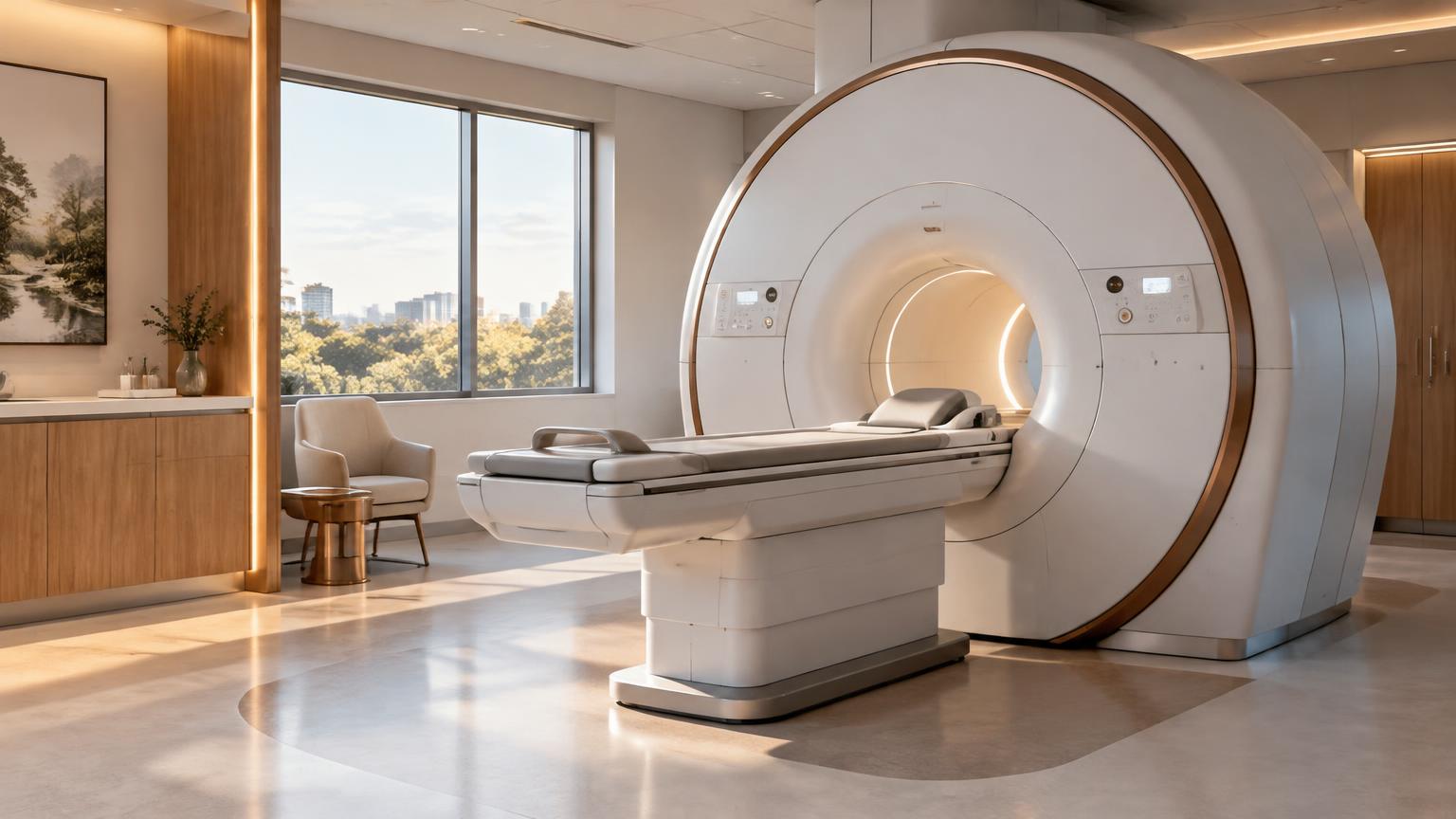
- Expanded list of qualifying assets — beyond heavy machinery, office furniture, HVAC, POS systems, signage, medical equipment, and even certain off-the-shelf software now qualify.
The catch is timing: to take advantage, equipment must be purchased and placed into service by the end of the year. That urgency is why many businesses are pulling forward 2026 purchases to capture the full write-off now.
Financing + Depreciation = Double Advantage
The real power of Section 179 lies in pairing it with financing. Many businesses assume they need to pay cash to claim the deduction. Not true. You can finance the equipment purchase over multiple years, preserve working capital, and still claim 100% of the depreciation in year one.
Consider this example: A company with a $1M tax liability finances $1M in new equipment. They spread payments over five years, keeping cash flow intact. Yet they deduct the full $1M this year, offsetting their tax bill immediately.
This "other people's money" approach means you keep your capital, reduce your taxes, and gain the equipment needed to scale.
R&D Tax Credits: Turning Innovation Into Cash Flow
Another underutilized tool is the R&D tax credit. It isn't just for tech giants or lab research. Updates to the law have expanded its scope and accelerated the benefit.
- Retroactive claims — companies can now apply credits back to 2022, 2023, and 2024.
- Accelerated credits — instead of spreading them out over five years, businesses can apply them immediately.
- Wide applicability — software builds, manufacturing process improvements, energy efficiency upgrades, and even logistics enhancements may qualify.
In some cases, these credits have turned losses into tax refunds, effectively injecting cash back into businesses. Yet many accountants don't proactively surface them, leaving money on the table.
The CapEx Super Cycle: Positioning for Long-Term Benefits
Beyond immediate tax planning, the U.S. economy is entering what many analysts call a CapEx super cycle. Manufacturing is reshoring, AI data centers are being built across the country, and infrastructure spending is accelerating.
For businesses, this means construction demand is rising, equipment needs are growing, and tax-advantaged growth through Section 179 and bonus depreciation makes large capital purchases even more attractive.
In parallel, baby boomer business owners—who still control 40% of small businesses—are beginning to sell or transition ownership. Combined with private credit and creative financing, this creates a once-in-a-generation opportunity to expand through acquisition, often with tax incentives built into the structure.
Practical Next Steps
The common thread across Section 179, R&D credits, and CapEx incentives is timing. The sooner you act, the more you save.
1. Review your 2025 capital expenditure plans. If you were planning purchases in Q1 or Q2 of 2026, accelerate them into this year to capture full depreciation.
2. Evaluate financing options. Creative funding allows you to preserve cash while still reaping the tax benefits immediately.
3. Engage your tax professional and lender together. Too often, tax strategy and financing strategy are considered separately. The biggest wins come when both are aligned.
Tzortzis Capital specializes in structuring financing solutions that align with these incentives. If your business is considering equipment purchases, R&D investments, or acquisitions, reach out today.

Tzortzis Capital